Mattress stain removal is one of those tasks most people put off until the stain is set deep into the fabric. The problem is that waiting makes every stain harder to lift. The right method depends entirely on what caused the stain, and using the wrong cleaner can permanently set it or damage your mattress.
This guide breaks down the most common mattress stains one by one. You will learn exactly which products to reach for, how to apply them safely, and how to protect your mattress from future damage. Whether the stain is fresh or weeks old, the steps below give you the best shot at a clean result.
Ready to learn more? Explore our full house cleaning services in Raleigh to see how we help keep your entire home fresh and clean.
Why Mattress Stain Removal Requires the Right Approach
A mattress is not like a shirt you can toss in the washing machine. The foam, springs, and fabric layers inside hold moisture, and too much liquid causes mold and mildew to grow deep inside where you cannot see it. That means every cleaning method needs to use as little water as possible.
Heat is also a problem. Hot water sets protein-based stains like blood and urine permanently. Always use cold or cool water for those stain types. Understanding these two rules, minimal moisture and correct temperature, puts you ahead of most people before you even open a cleaning product.
The Supplies You Need Before You Start
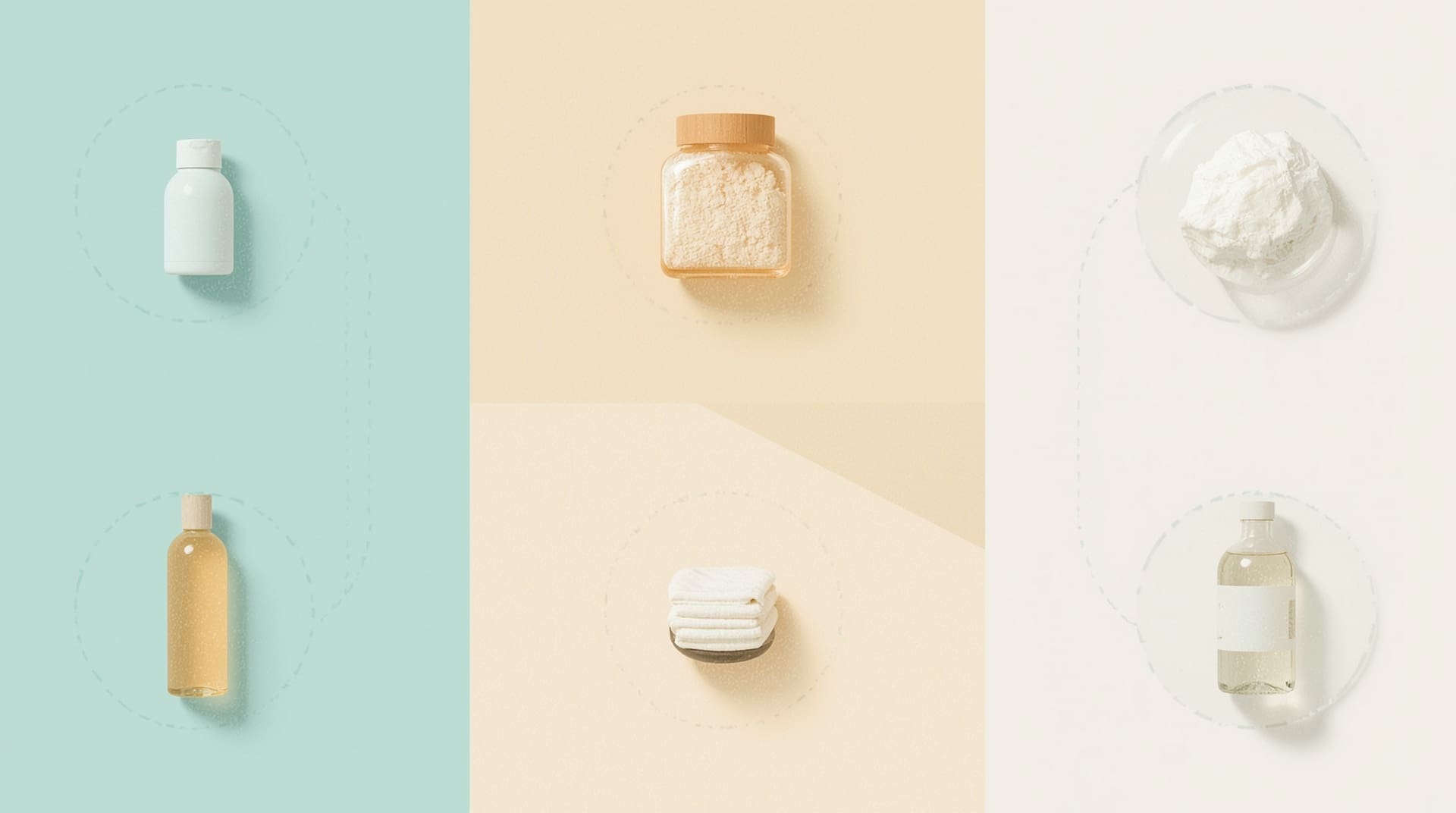
Having the right tools ready saves time and protects your mattress. You do not need expensive products. Most effective cleaners come from your kitchen or bathroom cabinet.
- Cold water for protein stains like blood, urine, and sweat
- Dish soap (clear, unscented) for general surface stains
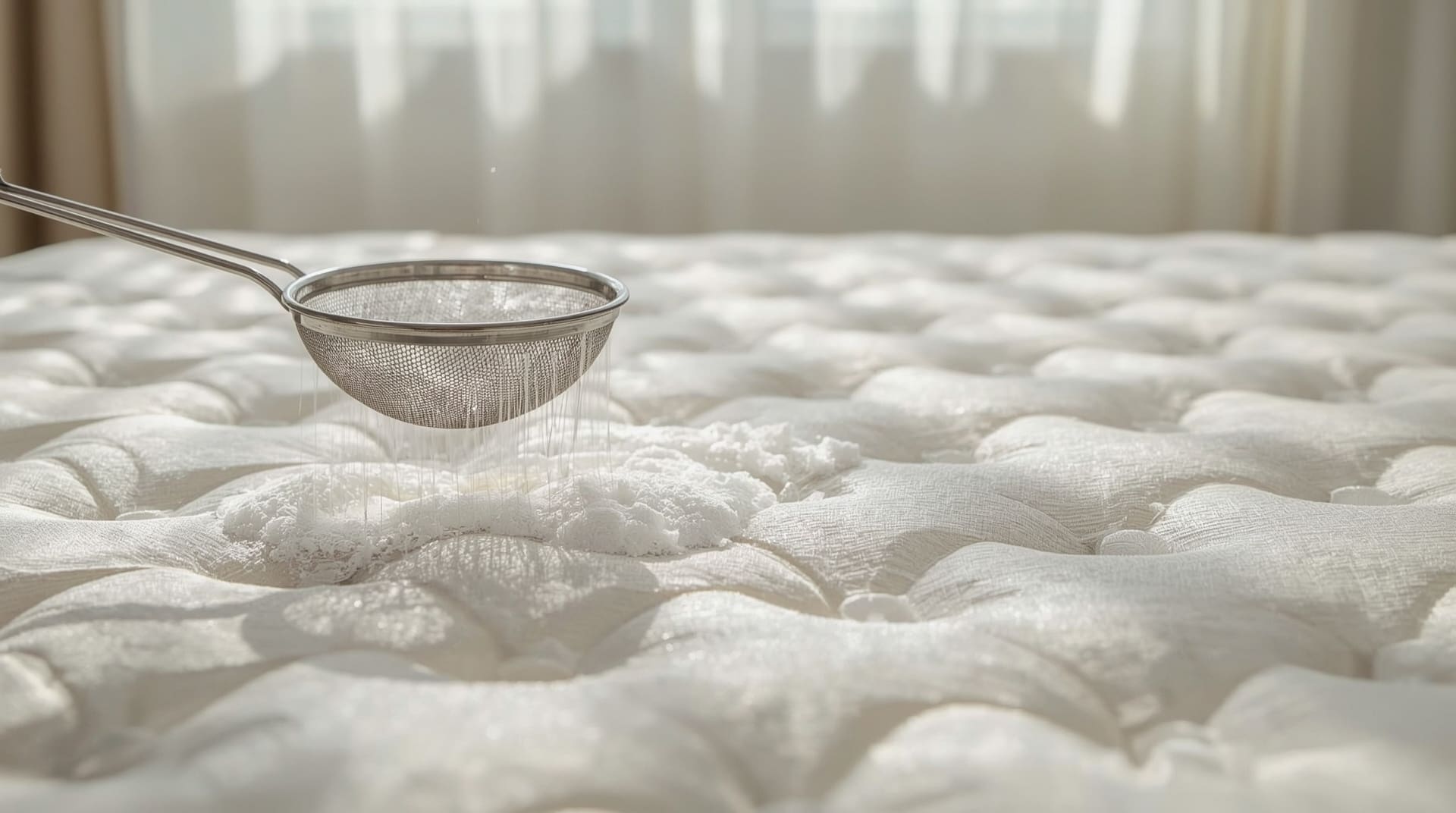
- Baking soda to absorb moisture and neutralize odors
- White vinegar diluted with water for urine and odor treatment
- Hydrogen peroxide (3%) for tough biological stains
- Enzyme cleaner (a cleaner that breaks down organic matter using natural enzymes) for urine, vomit, and sweat
- Clean white cloths or microfiber towels for blotting
- Spray bottle for controlled, light application
Avoid colored cloths since the dye can transfer to your mattress. Avoid scrubbing, which pushes stains deeper and spreads them wider. Always blot by pressing straight down, then lifting up.
How to Remove Blood Stains from a Mattress
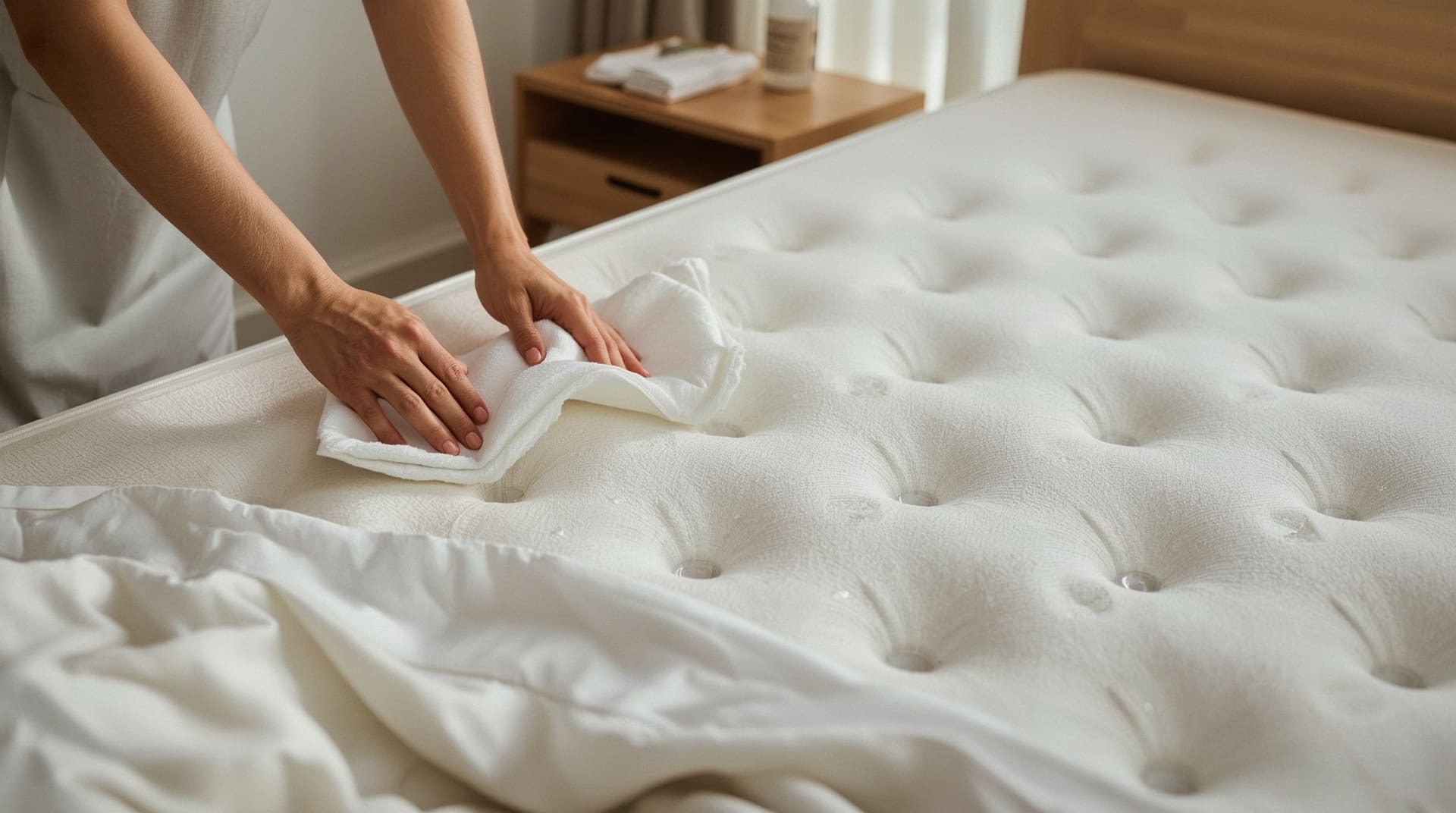
Blood stains are among the trickiest to remove stains from a mattress because heat permanently bonds the proteins in blood to fabric fibers. Cold water is non-negotiable here.
Steps for Fresh Blood Stains
- Blot up as much blood as possible with a dry cloth. Do not rub.
- Mix one tablespoon of dish soap with two cups of cold water in a spray bottle.
- Lightly spray the stain and blot repeatedly with a clean cloth.
- Rinse by lightly dabbing with a cloth dampened in plain cold water.
- Sprinkle baking soda over the damp area and let it sit for at least one hour.
- Vacuum the baking soda completely before replacing bedding.
Steps for Dried Blood Stains
- Mix one part 3% hydrogen peroxide with two parts cold water.
- Apply a small amount to an hidden area first to check for discoloration on your mattress fabric.
- Dab the solution onto the stain using a clean cloth. You will see it fizz as it breaks down the dried blood.
- Blot away the lifted stain with a dry cloth.
- Repeat once or twice if needed, then let the mattress air dry fully before covering it.
Never pour peroxide directly onto the mattress in large amounts. Too much liquid soaks through to the foam and takes days to dry, which creates conditions for mold growth.
How to Remove Urine Stains and Odors
Urine stains are the most common mattress stains families deal with. The challenge is not just the yellow discoloration but the ammonia odor that lingers if the stain is not fully broken down. An enzyme cleaner is the most effective tool here because it actually digests the uric acid crystals that cause the smell.
Steps for Fresh Urine Stains
- Blot up as much urine as possible immediately. Press firmly and use several clean cloths.
- Mix one cup of white vinegar with one cup of cold water and a small squirt of dish soap. Pour into a spray bottle.
- Lightly mist the stained area. Do not soak it.
- Blot again with a clean cloth until most of the moisture is absorbed.
- Sprinkle a thick layer of baking soda over the entire area and leave it for 8 to 10 hours.
- Vacuum thoroughly and allow the mattress to air dry completely.
Steps for Dried or Set Urine Stains
- Apply an enzyme cleaner directly to the stain. Follow the product label for dwell time, usually 10 to 15 minutes.
- Blot away the cleaner with a clean cloth.
- Cover with baking soda and leave overnight.
- Vacuum and allow to air dry with the windows open if possible.
For pet accidents, the same steps apply. You may need two or three enzyme cleaner treatments for older or larger pet stains before the odor fully disappears.
How to Remove Sweat Stains from a Mattress
Sweat stains are usually yellow or yellow-brown and build up slowly over months or years. They contain body oils and salts that leave a persistent ring on the mattress fabric. Hydrogen peroxide is the most effective solution for this type of stain.
| Stain Type | Best Cleaner | Water Temperature | Difficulty |
|---|---|---|---|
| Blood (fresh) | Dish soap + cold water | Cold only | Moderate |
| Blood (dried) | Hydrogen peroxide | Cold only | High |
| Urine (fresh) | Vinegar + baking soda | Cold only | Moderate |
| Urine (dried) | Enzyme cleaner | Cold only | High |
| Sweat | Hydrogen peroxide + baking soda | Cool | Moderate |
| Vomit | Enzyme cleaner | Cool | High |
| Coffee or tea | Dish soap + cold water | Cool | Low |
| Wine or juice | Salt + dish soap | Cool | Moderate |
Mix one cup of 3% hydrogen peroxide with three tablespoons of baking soda and a small squirt of dish soap. Stir gently until the baking soda dissolves. Lightly spray the mixture over the yellowed area and let it sit for 10 minutes. Blot with a clean cloth, then let the mattress air dry fully before replacing sheets. For years of built-up staining, you may need to repeat this two or three times.
How to Remove Vomit Stains from a Mattress
Vomit contains stomach acid, food particles, and bile, all of which can quickly set into mattress fabric and produce a sharp odor. Speed matters more with vomit than with almost any other stain type.
- Scoop or scrape away any solid material with a spoon or dull knife. Work from the outside edges toward the center to avoid spreading.
- Blot up as much liquid as possible with clean cloths.
- Apply an enzyme cleaner generously to the stained area and allow it to sit for at least 15 minutes.
- Blot away the cleaner and any lifted residue.
- Sprinkle baking soda over the area and leave it for several hours to absorb remaining moisture and odor.
- Vacuum the baking soda and allow the mattress to air dry completely.
The acid in vomit can weaken mattress fabric over time if left untreated. Even a faint smell after cleaning usually means some residue remains. A second enzyme cleaner application typically resolves it.
How to Remove Coffee, Tea, and Food Stains
Coffee and tea stains are tannin-based, meaning they come from plant compounds that bind quickly to fabric. The good news is that they respond well to simple soap and water when caught early. Wine and juice stains behave similarly but carry more pigment, which makes them slightly harder to lift.
Coffee or Tea Stains
- Blot up as much liquid as possible immediately.
- Mix one teaspoon of dish soap with two cups of cool water.
- Apply lightly with a cloth and blot repeatedly until the stain lifts.
- Rinse with a damp cloth and let air dry.
Wine or Juice Stains
- Blot immediately. Do not rub.
- Pour a small amount of table salt directly onto the wet stain to absorb liquid and pigment.
- Let the salt sit for two minutes, then brush it away.
- Apply the dish soap and cool water solution and blot until the stain fades.
- Rinse lightly with a damp cloth and air dry.
For dried coffee or wine stains, mix one tablespoon of white vinegar into your soap-and-water solution. The vinegar helps break down the tannins that have bonded to the fabric fibers.
Common Mattress Stain Removal Mistakes to Avoid
Even people with the best intentions make cleaning errors that worsen mattress stains. Knowing what not to do is just as valuable as knowing the right steps.
- Using hot water on protein stains. Hot water permanently bonds blood, urine, and sweat into the fabric. Always use cold or cool water for these stain types.
- Soaking the mattress. Excess moisture seeps into the foam and inner layers, creating conditions for mold and mildew to form inside the mattress where you cannot reach it.
- Scrubbing instead of blotting. Scrubbing spreads the stain outward and pushes it deeper into the fabric layers. Always press straight down and lift.
- Using bleach. Bleach degrades mattress fabric fibers and can create harmful fumes in a confined bedroom space. It is not safe for this application.
- Skipping the dry step. Replacing sheets over a damp mattress traps moisture and leads to mildew growth. Always let the mattress air dry completely, which may take several hours.
- Using colored cloths. Dye from colored rags can transfer to your mattress during cleaning. Use only white or uncolored cloths.
How to Protect Your Mattress from Future Stains
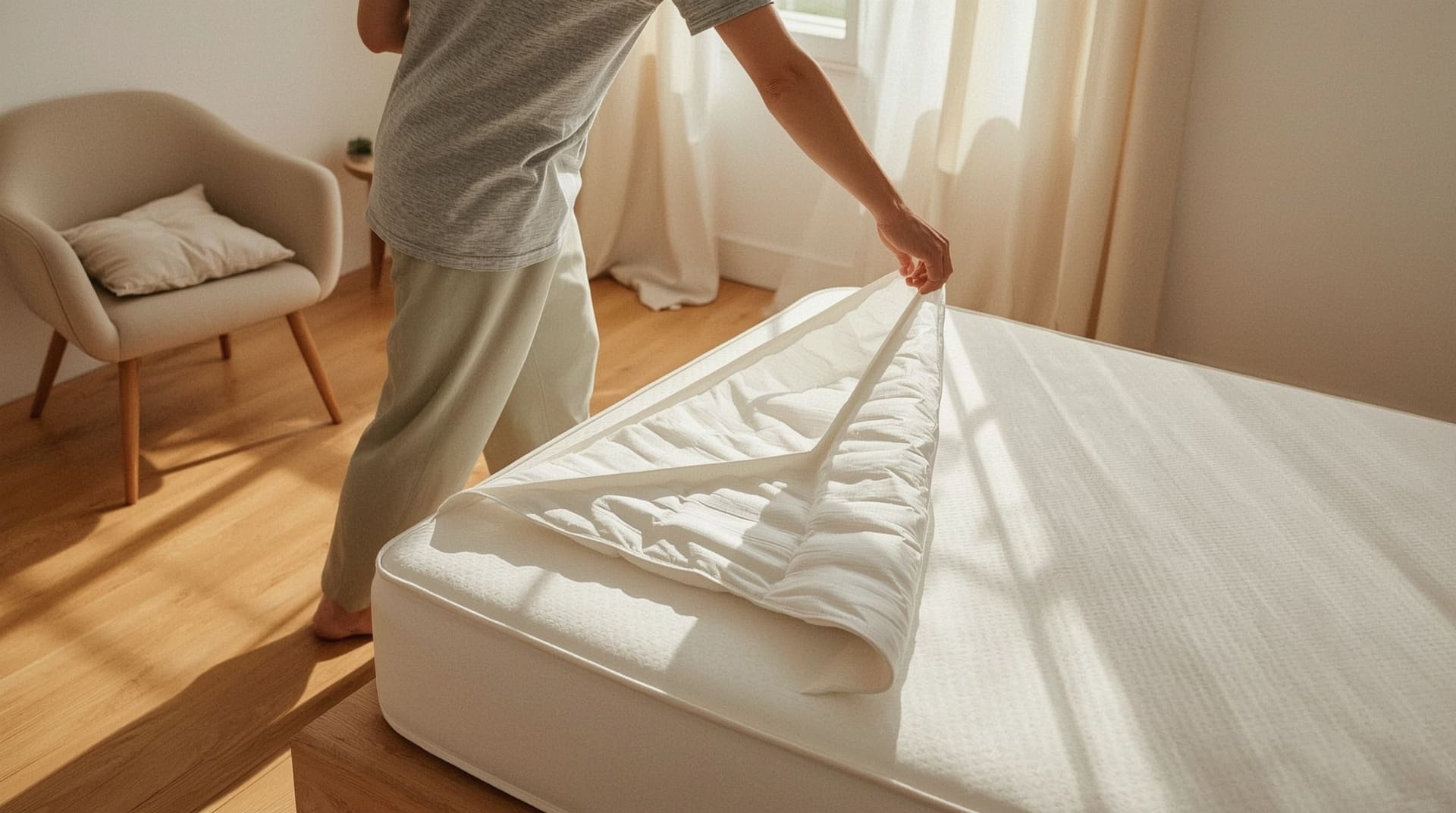
Cleaning an existing stain is reactive. Preventing future stains is always the smarter and easier path. A few simple habits can keep your mattress in much better condition year after year.
A waterproof mattress protector is the single most effective tool you can use. It fits over your mattress like a fitted sheet and creates a barrier against all liquid spills, sweat, and biological accidents. Look for one that is breathable so it does not trap heat. Wash it monthly along with your sheets.
Beyond the protector, rotate your mattress every three to six months. This distributes body oils and sweat more evenly across the surface, slowing the buildup of yellow stains in one spot. Letting fresh air into your bedroom regularly also reduces the moisture level inside your mattress over time, which helps keep odors at bay. Residents across Raleigh, North Carolina and surrounding areas find that keeping a bedroom window open during the day makes a noticeable difference in how fresh a mattress stays between cleanings.
When to Call a Professional Cleaner
Some mattress stains are too large, too old, or too deeply set for DIY methods to fully resolve. If you have tried the appropriate cleaning method twice without meaningful improvement, a professional cleaning service has access to commercial-grade tools and solutions that can go deeper than anything you can apply by hand.
Professional cleaners also use specialized drying equipment that pulls moisture out of the mattress quickly, which eliminates the mold risk that comes with amateur deep-cleaning attempts. If your mattress has widespread staining, persistent odor after multiple treatments, or visible mold spots, those are clear signs that professional help will save you more money than replacing the mattress outright. A thorough professional clean costs far less than a new mattress and extends its useful life significantly.
Final Thoughts on Mattress Stain Removal
Effective mattress stain removal comes down to acting fast, using the right cleaner for the specific stain type, and keeping moisture to a minimum. Cold water for protein stains, enzyme cleaners for biological odors, and gentle blotting instead of scrubbing are the three principles that make the biggest difference. Most stains are treatable at home when you follow the correct steps.
For stains that have set deeply or cover a large area, do not keep applying the same method and hoping for a different result. Reach out to a professional cleaning team who can assess the damage and give your mattress the deep clean it needs. A clean mattress is not just about appearances. It directly affects your sleep quality and your health every single night.
Frequently Asked Questions About Mattress Stain Removal
Can old, set-in mattress stains be removed completely?
Some old stains can be fully removed, but others may only be lightened rather than eliminated. The older and deeper the stain, the harder it is to reverse. Enzyme cleaners and hydrogen peroxide give you the best chance with protein-based stains. For stains that do not respond after two or three treatments, a professional cleaning service will have stronger options available.
Is hydrogen peroxide safe to use on all mattress types?
Hydrogen peroxide at 3% concentration is generally safe for most mattress fabrics, but always test a small, hidden area first. Some memory foam or specialty fabric mattresses may show slight discoloration. If you see any change in the test spot, switch to an enzyme cleaner or dish soap solution instead.
How long does a mattress need to dry after cleaning?
Drying time depends on how much liquid was used and your indoor humidity level. In most cases, plan for at least two to four hours of drying time with good airflow. Using a fan pointed at the mattress or opening a window speeds things up. Never cover a mattress with sheets or a protector until it is completely dry to the touch.
What causes yellow stains on a mattress even with regular sheet washing?
Yellow stains come from sweat, body oils, and dead skin cells that pass through the sheets and into the mattress fabric over time. These stains build up gradually and are not a sign of poor hygiene. A waterproof mattress protector is the most reliable way to prevent them. For existing yellowing, a hydrogen peroxide and baking soda mixture works best.
How often should a mattress be cleaned to prevent stain buildup?
A thorough mattress cleaning, including vacuuming and spot treatment, is recommended every three to six months. If you have young children, pets, or anyone in the household with allergies, cleaning every two to three months is a better schedule. Using a mattress protector between cleanings keeps the surface much cleaner and makes each cleaning session faster and easier.