
Moving out is stressful enough without worrying about losing your security deposit. Your landlord will inspect every corner of the property before releasing those funds, and a missed spot can cost you. A solid end of lease cleaning checklist takes the guesswork out of the process and keeps you organized from start to finish.
This guide walks you through every room and area your landlord expects to be spotless. Whether you handle the cleaning yourself or hire a professional team, following a rental cleaning checklist is the most reliable way to protect your deposit and leave on good terms.
Ready to learn more? Explore our move-in/move-out cleaning services in Raleigh to see how we help tenants pass inspection and get their full deposit back.
Why a Thorough End of Tenancy Cleaning Matters
Most landlords use a standard inspection checklist when they assess the property after you leave. If your cleaning does not meet that standard, they have the legal right to deduct costs from your deposit. Those deductions can add up fast, especially for deep cleaning or carpet cleaning fees.
Leaving the property in the same condition you received it is usually a requirement in your lease. Routine cleaning during your tenancy is not enough. End of tenancy cleaning means scrubbing, degreasing, and restoring every surface to a move-in-ready state.
What to Gather Before You Start Cleaning
Having the right supplies on hand saves time and prevents you from stopping mid-task. A proper supply kit also ensures you can handle every surface type without damaging anything.
Here is what you need before you begin:
- All-purpose cleaner and degreaser
- Glass and mirror cleaner
- Toilet bowl cleaner and scrub brush
- Microfiber cloths and sponges
- Mop, bucket, and vacuum
- Trash bags and storage bins
- Oven cleaner and baking soda paste
- Rubber gloves and knee pads
Pull out your original move-in inspection report if you have one. Compare it to the current condition of the property so you know exactly where to focus your effort.
Kitchen Cleaning Tasks That Landlords Always Check

The kitchen is one of the most scrutinized areas during a move-out inspection. Grease buildup, food residue, and stained surfaces are the top reasons landlords withhold deposits. Plan to spend the most time here.
Appliances
- Clean the oven interior, racks, and door glass thoroughly
- Degrease the stovetop, burner grates, and drip pans
- Wipe down the inside and outside of the microwave
- Clean the refrigerator inside and out, including shelves and drawers
- Remove the refrigerator and clean behind and underneath it
- Wipe the dishwasher interior, door seals, and filter
Surfaces and Storage
- Degrease all cabinet faces, handles, and interior shelves
- Clean the countertops and backsplash completely
- Scrub the sink, faucet, and drain area
- Wipe down light switches, outlet covers, and baseboards
- Sweep and mop the floor, including under appliances
Bathroom Cleaning Tasks for a Spotless Inspection
Bathrooms collect soap scum, mildew, and hard water stains that are hard to miss during an inspection. Thorough scrubbing here makes a strong first impression on your landlord.
Fixtures and Surfaces
- Scrub the toilet bowl, seat, lid, tank, and base
- Clean the shower walls, door, and track or curtain rod
- Remove soap scum and mildew from tile grout
- Scrub the bathtub and any caulk lines
- Polish the faucet, handles, and showerhead
- Wipe down the vanity, sink, and mirror
- Clean inside and outside of cabinets and drawers
- Sweep and mop the floor, including behind the toilet
| Room | Most Common Deduction Risk | Priority Level |
|---|---|---|
| Kitchen | Grease buildup on oven and stovetop | Very High |
| Bathroom | Mildew, soap scum, and grout stains | Very High |
| Bedrooms | Dirty carpets and scuffed walls | High |
| Living Areas | Dusty vents and dirty baseboards | Medium |
| Entryway and Hallways | Scuff marks and floor stains | Medium |
| Garage and Outdoor | Oil stains and debris on floor | Low to Medium |
Bedroom and Living Area Cleaning Tasks to Complete
Bedrooms and living spaces may look clean after you move furniture out, but inspectors look beyond the obvious. Dust, scuffs, and residue on walls or vents can still trigger deductions.
Walls, Floors, and Fixtures
- Remove any nails, wall anchors, or adhesive strips
- Wipe scuff marks off walls with a damp cloth or magic eraser
- Vacuum carpet thoroughly, including edges and under where furniture sat
- Sweep and mop hard floors, including corners and baseboards
- Dust ceiling fans, light fixtures, and smoke detectors
- Clean window tracks, sills, and blinds
- Wipe down all door handles, doorframes, and light switches
- Clean the interior of all closets, shelves, and drawers
Windows and Vents
- Clean window glass on the inside and accessible exterior surfaces
- Vacuum or wipe down air vents and return air grilles
- Remove dust from ceiling corners and any visible cobwebs
Areas Tenants Most Often Miss on a Rental Cleaning Checklist

Even the most detail-oriented tenants overlook certain spots. These are the areas that often show up on inspection reports and cost people part of their deposit.
- Inside kitchen cabinets and drawers: Crumbs and sticky residue collect here and are easy to forget.
- Behind and beneath appliances: Dust, grease, and debris hide behind the refrigerator, stove, and dishwasher.
- Window tracks and blinds: Dirt and dead insects collect in tracks and slats over time.
- Baseboards throughout the home: These collect dust and scuffs that are very visible at ground level during an inspection.
- Exhaust fans in bathrooms and kitchens: Grease and dust build up on fan covers and are almost always forgotten.
- Garage floor and walls: Oil stains and dust on the garage floor are a common deduction trigger.
- Entryway closets and coat hooks: These spaces accumulate debris that tenants stop noticing day to day.
- Patio or balcony surfaces: Dirt, bird droppings, and plant residue on outdoor areas count during inspection.
How to Handle Walls, Doors, and Trim Correctly
Walls are one of the first things landlords notice, especially if you have lived in the property for more than a year. Normal wear and tear is typically acceptable, but visible marks, crayon, grease, or large scuffs are not.
For painted walls, use a slightly damp microfiber cloth to gently wipe scuffs without removing paint. Avoid abrasive scrubbers on flat or matte finishes because they can cause dull patches. Clean all door surfaces, frames, and the top edges of doors, which collect a surprising amount of dust.
Wipe trim and baseboards with a damp cloth, then dry them immediately to prevent swelling. Check behind doors for scuff marks from door handles hitting the wall.
Final Walkthrough Steps Before Handing Over the Keys
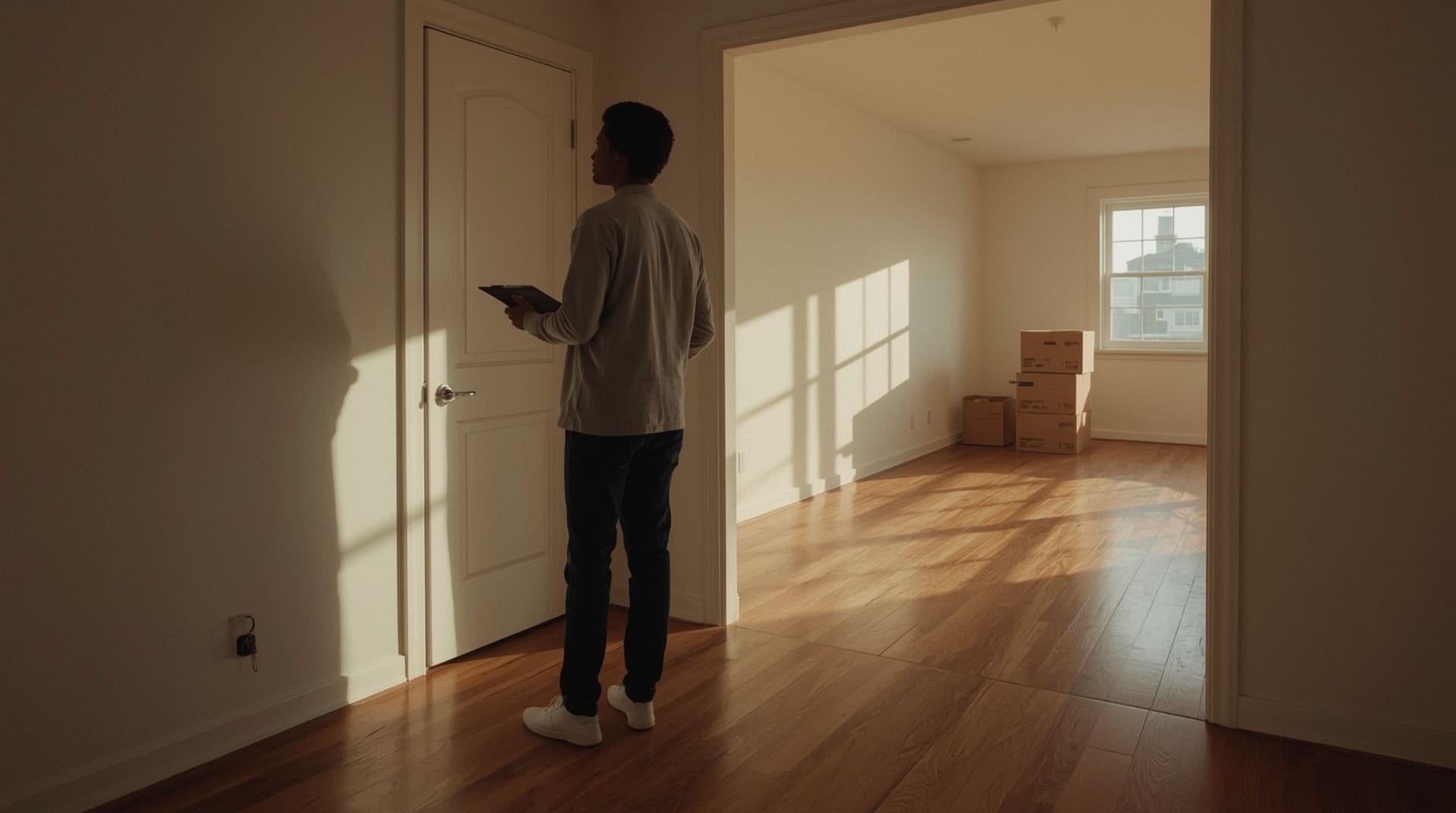
Once you finish cleaning every room, do a structured final walkthrough before your landlord arrives. This is your last chance to catch anything that could cost you money.
Final Walkthrough Checklist
- Walk room by room with a printed checklist and physically check off every item as complete.
- Use a flashlight to inspect corners, vents, and under appliances for any missed debris or dust.
- Check all light fixtures and ceiling fans for dust by wiping with a clean cloth.
- Test all light switches and outlets to confirm nothing was damaged or left unusable.
- Open all cabinets, drawers, and closets one more time to confirm they are empty and clean.
- Inspect windows and mirrors at an angle in natural light to catch streaks or smudges.
- Take timestamped photos of every room as documentation before you hand over the keys.
Documenting the clean condition of the property with photos protects you if there is any dispute about the deposit after you leave.
When to Consider Hiring a Professional Move-Out Cleaning Service
DIY cleaning works for some tenants, but there are situations where hiring a professional end of tenancy cleaning service is worth every penny. If your schedule is packed with moving logistics, or if the property has not had a deep clean in years, professionals can deliver a more thorough result in less time.
Professional cleaners use commercial-grade equipment and products that reach spots a standard mop or cloth cannot. Many move-out cleaning services in the Raleigh area also offer a satisfaction guarantee, meaning they will return to fix anything that does not pass inspection. This kind of assurance is difficult to replicate on your own, especially under moving day pressure.
Consider professional cleaning if any of these apply to you:
- You have a large property with multiple bathrooms and bedrooms
- You have pets that have left fur, odors, or stains
- The property has not received a deep clean in over six months
- Your landlord uses a strict, itemized inspection checklist
- Your deposit is large enough to make the cleaning cost worthwhile
Final Thoughts on the End of Lease Cleaning Checklist
A complete end of lease cleaning checklist removes the uncertainty from move-out day. When you clean systematically, room by room, you give yourself the best possible chance of getting your full deposit back. The key is being thorough rather than just fast.
Do not wait until the day before your inspection to start. Give yourself at least two to three full days, or book a professional service early enough to secure your preferred time slot. A clean exit is one of the best ways to leave a positive rental history behind you.
Frequently Asked Questions About End of Lease Cleaning
How long does end of lease cleaning typically take?
The time depends on the size and condition of the property. A one-bedroom apartment in average condition may take four to six hours for a thorough clean. A larger home with multiple bathrooms and an oven that needs heavy degreasing could take a full day or more.
Can my landlord require professional cleaning at move-out?
Some leases include a clause requiring professional end of tenancy cleaning or professional carpet cleaning before you vacate. Review your lease carefully before move-out day. If the clause is there, skipping it could be grounds for a deduction even if the unit looks clean.
What happens if I miss items on the rental cleaning checklist?
If the landlord finds areas that were not cleaned to the required standard, they can deduct the cost of professional cleaning from your deposit. In North Carolina, landlords must provide an itemized list of deductions within 30 days of your move-out date. You have the right to dispute deductions you believe are unreasonable.
Does normal wear and tear need to be cleaned or repaired?
Normal wear and tear refers to minor deterioration that happens through ordinary everyday use, such as small nail holes or slight carpet fading. Landlords generally cannot charge you for these. However, stains, deep scuffs, broken fixtures, and excessive dirt are not considered normal wear and tear and may result in deductions.
Should I clean the property before or after moving my furniture out?
Always clean after all your furniture and belongings are removed. Moving items out reveals hidden dust, dirt, and damage underneath and behind them. Cleaning an empty space is also faster, more thorough, and gives you a clear view of what still needs attention before your final walkthrough.


