Keeping your home clean is a constant effort, right? You spend hours scrubbing, dusting, and tidying, only to feel like you’re back at square one sometimes. It’s frustrating when dust seems to reappear instantly or surfaces don’t feel truly clean. Often, it’s not about working harder, but about avoiding common cleaning mistakes that actually make your job tougher. Let’s talk about some of the most frequent slip-ups that might be sabotaging your efforts and how to fix them for a home that feels genuinely spotless.
Key Takeaways
- Using the same cleaning cloth or sponge for multiple areas can spread germs and dirt instead of removing them. Use separate, color-coded cloths for different rooms or tasks.
- Neglecting to clean your cleaning tools, like mops, sponges, and vacuum filters, means you’re often just moving dirt around. Wash or replace them regularly.
- Spraying cleaning products directly onto surfaces can lead to streaks and residue. Instead, apply cleaner to your cloth first for better control and even application.
- Overusing cleaning products leaves behind sticky residue that attracts more dust. Follow product instructions and use only what’s needed.
- Don’t forget high-touch surfaces like doorknobs, light switches, and remote controls, as these are common germ hotspots that need regular disinfecting.
Common Deep Cleaning Mistakes to Avoid
We all want a sparkling clean home, but sometimes our cleaning habits can actually get in the way. It’s easy to make mistakes, especially when we’re trying to get the job done quickly. Let’s look at some common slip-ups that might be holding your cleaning efforts back.
Using the Same Cleaning Tools for Every Task
Think about it: would you use the same sponge to wash your dishes and then clean your toilet? Probably not. The same idea applies to your general cleaning tools. Using a dusty broom on a freshly mopped floor just moves dirt around. Similarly, using a grimy cloth on your kitchen counters can spread germs. Different jobs need different tools, or at least tools that are clean and suited for the task.
- Floors: Use a clean mop head or vacuum with a clean filter.
- Surfaces: Use clean microfiber cloths that won’t scratch or leave lint.
- Glass: Use a dedicated glass cloth or paper towels for a streak-free shine.
Neglecting to Clean Your Cleaning Tools
This one trips a lot of people up. Your cleaning tools themselves get dirty! If you don’t clean your mop, sponges, cloths, or vacuum filters, you’re basically just spreading old dirt and grime around your house. A vacuum with a clogged filter won’t pick up dust effectively; it might even blow it back into the air. A dirty mop head just pushes dirty water around your floors.
Regularly cleaning your tools is just as important as cleaning your home. It ensures they actually do their job instead of making things worse.
- Vacuum: Empty the canister after each use and clean or replace filters monthly.
- Mop: Rinse the mop head thoroughly after each use and wash it regularly.
- Cloths & Sponges: Wash cloths frequently and replace sponges when they start to smell or look worn.
Overusing Cleaning Products
It’s a common thought: more cleaner equals a cleaner house, right? Not so fast. Using too much cleaning product, especially on surfaces like countertops or floors, can leave behind a sticky residue. This residue actually attracts more dust and dirt, meaning your surfaces get dirty again faster. It can also make things look dull or streaky.
- Floors: A little goes a long way. Follow the dilution instructions on the bottle for mopping.
- Laundry: Too much detergent can leave clothes feeling stiff and can build up in your washing machine.
- Glass: Often, a simple water and vinegar mix is all you need for streak-free windows.
Always check the product label for the recommended amount. Using less product often leads to a better, cleaner result in the long run.
Ineffective Cleaning Practices That Undermine Your Efforts
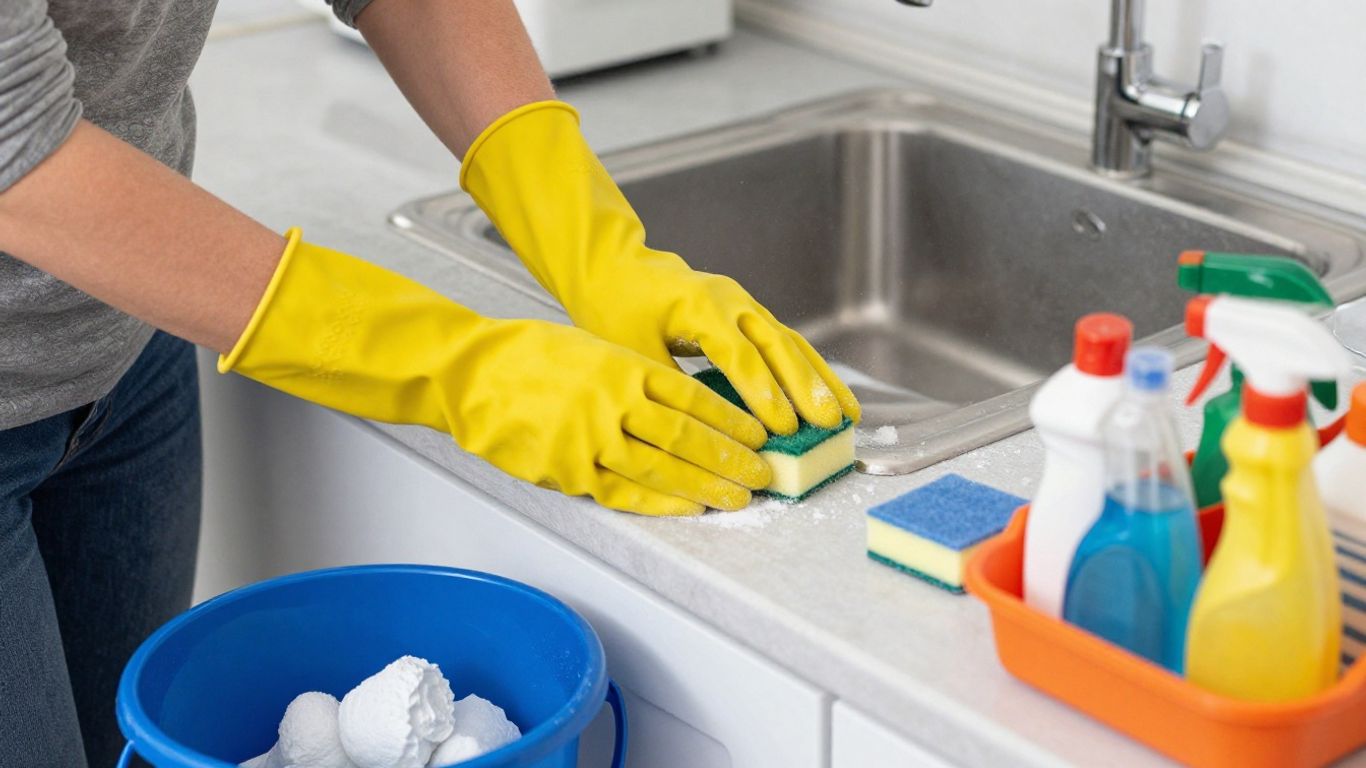
Sometimes, even with the best intentions, our cleaning habits can actually make things worse. It’s frustrating to put in the work only to see dust return quickly or notice streaks where there shouldn’t be any. Let’s look at a few common missteps that can sabotage your cleaning efforts and how to fix them.
Spraying Cleaner Directly Onto Surfaces
It’s a common instinct to spray cleaner right onto the spot you’re cleaning, like a countertop or a window. But doing this too often can lead to problems. Concentrated cleaners can leave behind a sticky film, especially if you use too much. This film doesn’t just look bad; it actually attracts more dust and dirt, making the surface get dirty again faster.
Instead, try spraying the cleaner onto your cloth first. This gives you more control over how much product you use and helps you apply it more evenly. For glass and mirrors, a simple mix of water and vinegar often works just as well and avoids that streaky residue.
Cleaning in the Wrong Order
How you tackle a room can make a big difference. Many people start cleaning from the bottom up, which is a mistake. If you vacuum the floor and then dust the shelves, all that dust is going to land right back on your clean floor. It means you’ll have to clean the floor again.
Here’s a better way to approach it:
- Declutter first: Get rid of anything that doesn’t belong on the surfaces.
- Dust from top to bottom: Start with ceiling fans, light fixtures, and high shelves, letting dust fall.
- Wipe surfaces: Clean tables, counters, and other flat areas.
- Vacuum or mop last: This way, you pick up all the dust that settled during the earlier steps.
Following a top-to-bottom cleaning order helps prevent you from having to redo steps, saving you time and effort in the long run.
Using Dirty Water to Clean
Think about mopping your floor with murky water. You’re not really cleaning; you’re just moving the dirt around. The same goes for using a dirty cloth on your counters or windows. If your cleaning water looks cloudy or your cloth feels greasy, it’s time for a change.
- Change your mop water often: Don’t be afraid to dump out dirty water and refill your bucket with clean water. You might need to do this several times for a larger area.
- Rinse your cloths frequently: If you’re using a cloth, rinse it out in clean water regularly, or switch to a fresh one.
- Consider separate buckets: For floors, using two buckets—one for soapy water and one for rinsing the mop—can help keep the cleaning water cleaner for longer.
Overlooked Areas That Impact Home Cleanliness
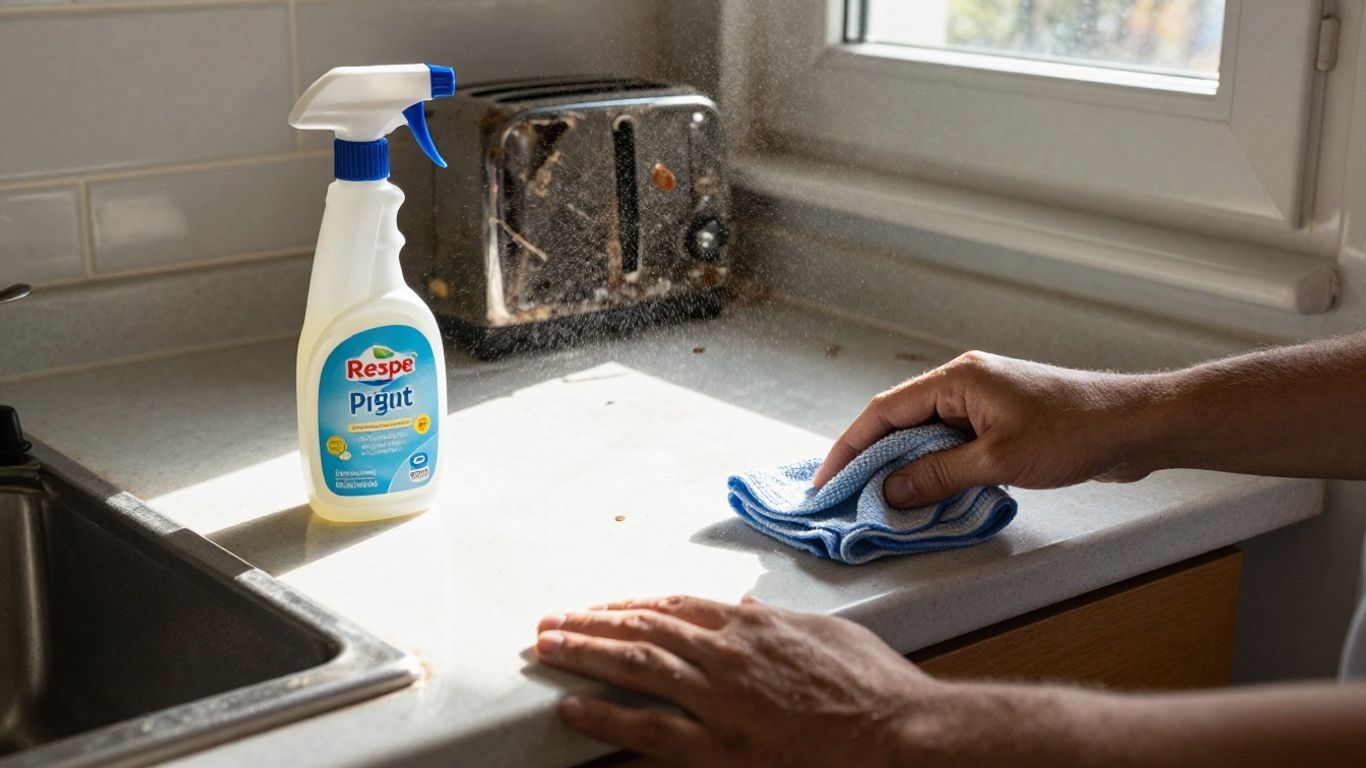
Homes look neat on the surface, but hidden corners, often-forgotten fabrics, and high-traffic spots can quietly build up grime. Going beyond the usual sweeping and mopping is what keeps a place feeling fresh long after you’re done cleaning. Let’s go over a few spots that are easy to miss but really matter if you want your home to feel completely clean.
Forgetting Air Vents and Filters
Air vents and HVAC filters are magnets for dust and allergens. If you let them sit too long, they do two things: spread dirty air throughout your house and mess with your indoor air quality. Breathing becomes less comfortable, and you might notice dust settling on shelves again right after you’ve finished cleaning.
Regular care makes a difference:
- Check and vacuum vent covers every month
- Change air filters every couple of months, or as your system recommends
- If you have allergies, mark your calendar so you don’t forget
Keeping vents clean is a simple fix that helps everyone in the house breathe a little easier. If you need a plan that covers everything, consider using a room-by-room cleaning checklist.
Overlooking Soft Surfaces Like Upholstery and Curtains
Let’s be honest—vacuuming upholstery or washing curtains falls to the bottom of the to-do list for most of us. The thing is, these areas hold onto dust, odors, pet hair, and pollen way more than hard surfaces. Over time, couches and drapes start to smell stale and look tired even if the rest of the room is spotless.
Tips for fresher soft surfaces:
- Vacuum sofas, chairs, and beds weekly
- Wash or steam clean curtains at least twice a year
- Spot clean spills quickly to avoid stains setting in
If time or the right tools are an issue, think about hiring a professional once or twice a year for a deep clean. Your home will feel lighter and smell better, guaranteed.
Ignoring High-Touch Surfaces
It’s easy to scrub the floors and wipe down counters but miss the things we touch all day—doorknobs, light switches, remotes, and fridge handles. Germs and bacteria love these spots, and yet, they often don’t make it into our regular routine.
High-touch spots you shouldn’t skip:
- Door handles and locks
- Light switches
- Drawer pulls and appliance handles
- Remote controls and electronics
- Cell phones and tablets
A daily or weekly wipe with a disinfecting cloth or spray will keep germs from spreading. During flu season or after visitors, it’s even more important.
Sometimes, making a home feel truly clean means looking in all the places you’d usually ignore. Those little details are what set a welcoming, healthy house apart from the rest.
Missteps in Appliance and Machine Usage
Overloading the Dishwasher or Washing Machine
It’s a common temptation, right? Stuffing that dishwasher or washing machine to the brim feels like a smart way to get more done at once. You think you’re saving time and energy, but in reality, you’re probably just making your appliances work harder and clean less effectively. When machines are packed too tight, water and detergent just can’t get to all the nooks and crannies. This means dishes might come out with food still stuck on them, or your laundry could still smell a bit… off, even after a full cycle.
To get things truly clean, it’s best to follow the manufacturer’s advice on load sizes. Give your items some breathing room. For the dishwasher, don’t let dishes nestle too closely together. In the washing machine, avoid cramming clothes in so tightly that they can’t move around. Proper spacing lets the water and soap do their jobs properly, leading to a much better clean.
Not Allowing Disinfectants to Sit
When you’re deep cleaning, especially in the kitchen or bathroom, you want to make sure you’re actually killing germs. A lot of disinfectants need a little bit of time on the surface to do their work. If you just spray it on and wipe it right off, you might not be getting rid of all the bacteria and viruses you intended to. It’s like trying to wash your hands without letting the soap lather up – it just doesn’t work as well.
So, what’s the fix? Always check the product label. It will tell you how long the disinfectant needs to stay wet on the surface to be effective. This contact time is super important for killing germs. For most common household disinfectants, this is usually a few minutes. Just spray it on, let it sit for the recommended time, and then wipe it down. It makes a big difference in how clean your surfaces really are.
Many cleaning products, especially disinfectants, have a specific ‘dwell time’ or ‘contact time’ listed on the label. This is the amount of time the surface needs to remain wet with the product to effectively kill germs. Skipping this step means you’re likely not achieving the level of sanitation you think you are.
Choosing the Right Approach for a Pristine Home
Almost everyone wants their house to look and feel clean, but a few common mistakes can trip you up along the way. Sometimes, it’s not just about the effort you put in—it’s choosing products and methods that actually work for your home. Let’s look at some habits that end up making cleaning harder rather than easier.
Using the Wrong Cleaning Products
Not all cleaners are created equal, and not every product suits every surface. Using bathroom cleaner on your wood floors or an abrasive scrub on glass can mean ruined finishes, streaks, or even long-lasting damage.
Some signs you might be using the wrong products:
- Surfaces feel sticky or look streaky after cleaning
- Faded spots, dullness, or scratches appear
- Lingering chemical smells
Instead, always check the label and, if in doubt, stick with something designed for the particular material you’re working on. You’ll keep things safer—and looking better.
Not Reading Product Instructions
It’s tempting to just spray and wipe, but skipping the instructions can make your cleaning a lot less effective. Some cleaners need to sit for a while to work properly, and using too much or too little can be a waste or even harmful.
To get the best results:
- Skim the label (it only takes a minute!)
- Note any warnings or dwell time recommended
- Follow directions for rinsing if needed
Scrubbing Stains Vigorously
When you see a stubborn spot, it’s easy to think more muscle is better. But scrubbing hard at a stain can make it worse—especially on fabrics, painted walls, or delicate surfaces. You might end up with thinning carpet, worn-out upholstery, or faded patches.
Try this instead:
- Blot stains gently first (don’t rub)
- Use the right cleaner for the mess
- Let the product soak in if needed before blotting again
It’s easy to want results right away, but sometimes patience works better than force. Letting products work and using a gentle touch protect your home from damage you can’t fix later.
Quick Table: Signs You’re Using the Wrong Cleaning Approach
| Mistake | What You Notice | Better Option |
|---|---|---|
| Wrong cleaner for surface | Damage, streaks, dull spots | Chose product by surface type |
| Skipped reading instructions | No improvement, residue | Read and follow label |
| Scrubbed too hard | Worn patches, frayed fibers | Blot and treat gently |
By watching for these signs and adjusting your habits, you keep cleaning safer and get better results every time. Even a small change in your routine adds up over time.
Maintaining a Truly Clean Environment
Even with the best intentions, it’s easy to fall into habits that sabotage your deep cleaning efforts. Sometimes, the simplest oversights can make a big difference in how truly clean your home feels. Let’s look at a few common missteps and how to fix them.
Rushing Through Cleaning Tasks
It’s tempting to speed through chores, especially when you’re busy. But when you rush, you miss spots, don’t let cleaners do their job, and end up with a surface-level clean that doesn’t last. Think about it: if you’re just quickly wiping down a counter, are you really getting rid of all the grime, or just moving it around? Effective cleaning takes time and a bit of patience.
To avoid this, try breaking down your cleaning into smaller, manageable chunks. Or, create a simple checklist for each room. This way, you can tick off tasks as you go and feel confident you haven’t missed anything. Also, remember that many cleaning products need a little time to work their magic. Letting a cleaner sit for a few minutes before wiping can make a huge difference in breaking down tough dirt.
Overlooking Hidden Areas
We all tend to focus on what we can see – the dust bunnies under the sofa, the smudges on the mirror. But what about the places that don’t get much attention? These hidden spots can accumulate a surprising amount of dirt and allergens over time. For instance, the tops of cabinets, the undersides of shelves, or even the tracks of sliding doors can become quite grimy if ignored.
Make it a point to include these often-forgotten areas in your routine. When you’re dusting, reach a little higher or a little lower. When you’re cleaning floors, pay attention to the edges and corners. A thorough deep cleaning service often includes these detailed tasks, which can be a good reminder of what to look for.
Not Testing Cleaning Solutions First
Before you go all-in with a new cleaner on your favorite armchair or that antique wooden table, stop and think. What if it damages the material? What if it leaves a weird stain or a sticky residue? It’s a common mistake to assume a product is safe for all surfaces, but that’s rarely the case. Different materials react differently to chemicals, and a harsh cleaner can cause irreversible damage.
Always, always test a new cleaning product in an inconspicuous spot first. This could be the back of a curtain, the underside of a table, or a small corner of a rug. Wait for it to dry and then check for any adverse reactions. This simple step can save you a lot of heartache and the cost of replacing damaged items.
Your Home Deserves Better Cleaning Habits
So, there you have it. We’ve gone over some of the most common ways people accidentally make their cleaning efforts less effective, or even spread more grime around. It’s not about being a bad cleaner; it’s just about knowing the little tricks that make a big difference. By paying attention to your tools, using the right amount of product, and cleaning in a logical order, you’ll find your home stays cleaner for longer. It really is about working smarter, not just harder. Give these tips a try, and you’ll likely see a noticeable improvement in how fresh and truly clean your home feels.
Frequently Asked Questions
Why is it bad to use the same cleaning cloth for everything?
Using the same cloth all over your house is like spreading germs around. You might clean your kitchen counter and then wipe the bathroom sink with the same cloth, moving bacteria from one place to another. It’s better to use different cloths for different rooms, like one for the kitchen and another for the bathroom.
How often should I clean my cleaning tools?
Your cleaning tools, like sponges, mops, and vacuum filters, get dirty too! You should clean sponges and cloths regularly, wash your mop head often, and clean out your vacuum filters. If your tools are dirty, they just spread grime instead of cleaning it up.
Why shouldn’t I spray cleaner straight onto surfaces?
Spraying cleaner directly on things like glass or wood can leave behind streaks or a sticky film. This film attracts more dust and dirt, making the surface dirtier. It’s usually better to spray the cleaner onto your cloth first, then wipe the surface.
Does using more cleaner make things cleaner?
Actually, using too much cleaner can make things worse! Extra soap or cleaner can leave a sticky residue that attracts more dust. For most jobs, a little bit of cleaner goes a long way and is more effective.
What are ‘high-touch surfaces’ and why are they important?
High-touch surfaces are things we touch a lot during the day, like doorknobs, light switches, and remote controls. These spots can collect lots of germs. It’s important to wipe them down often with a disinfectant to help keep your home healthy.
Why is cleaning in the right order important?
Cleaning from top to bottom makes sure you don’t have to re-clean. If you dust after vacuuming, dust will fall on your clean floor. The best way is to declutter first, then dust from high places down, wipe surfaces, and finally vacuum or mop.